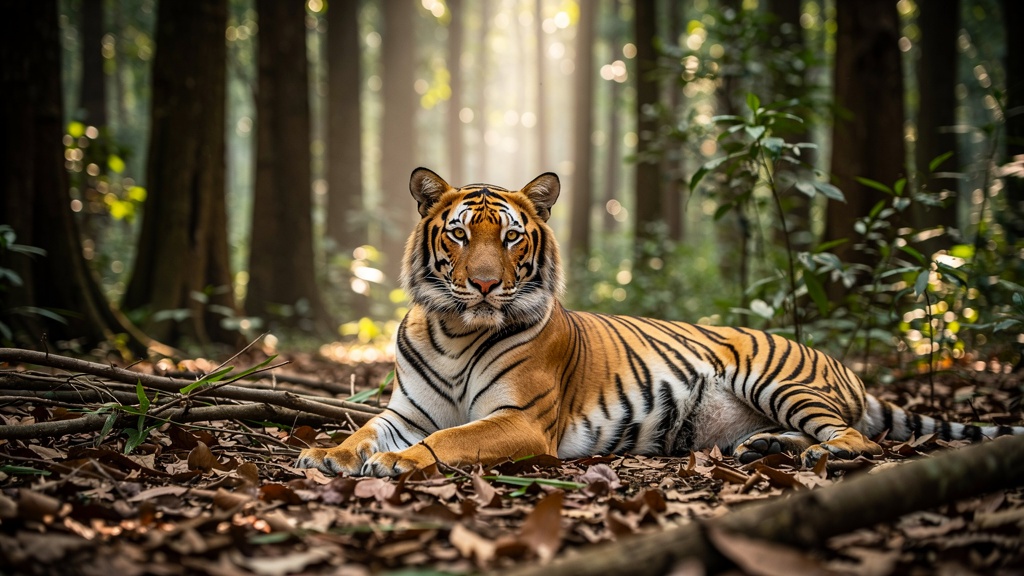
Similipal Tiger Reserve
India’s only biosphere flanked by Odisha’s biggest waterfalls. Tigers, elephants, gaurs and 350+ bird species inside a 2,750 km² sal-forest mosaic.
A biosphere-tiger reserve, dozens of cascading waterfalls, the UNESCO-tagged Mayurbhanj Chhau dance, ancient Bhanja-era temples and a vibrant Santhal heartland — all in one offbeat district.
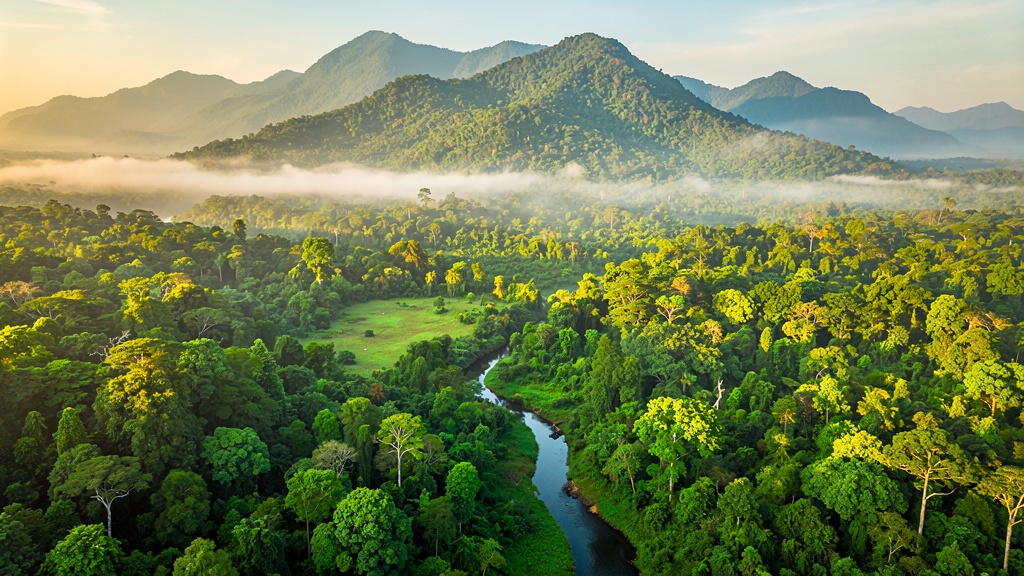
Forget the crowded temple circuit — Mayurbhanj is a sanctuary for travellers seeking wild India on its own terms. It pairs Similipal, a 2,750 km² biosphere & tiger reserve, with cultural depth: indigenous Santhals, the mask-free Mayurbhanj Chhau dance, and black-stone Kichakeswari temple architecture.
India’s only biosphere flanked by Odisha’s biggest waterfalls. Tigers, elephants, gaurs and 350+ bird species inside a 2,750 km² sal-forest mosaic.
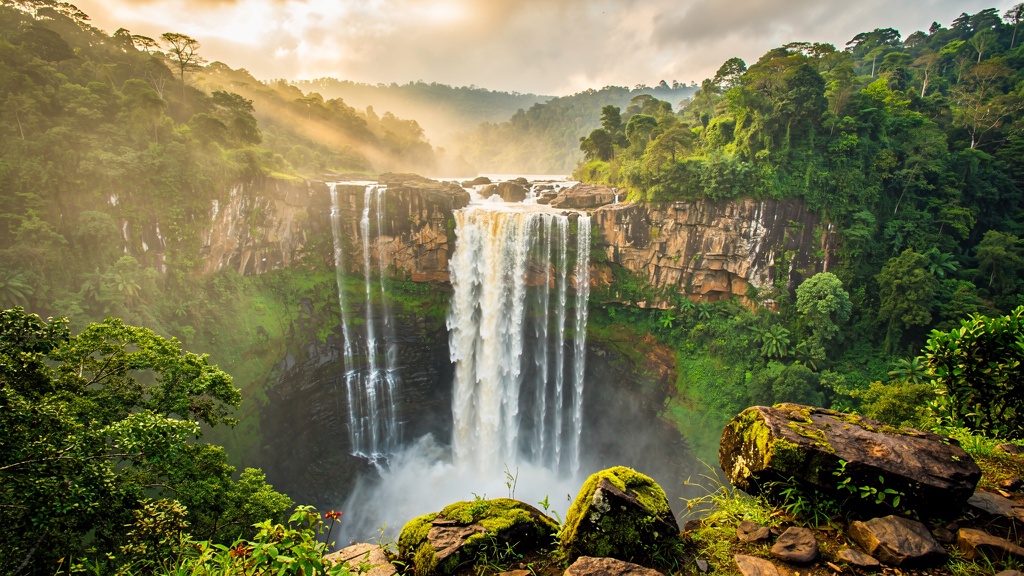
Odisha’s two highest waterfalls inside Similipal. Barehipani plunges 399 m in twin steps; Joranda is a single 150 m sheet — both reachable on foot from nature camp stays.
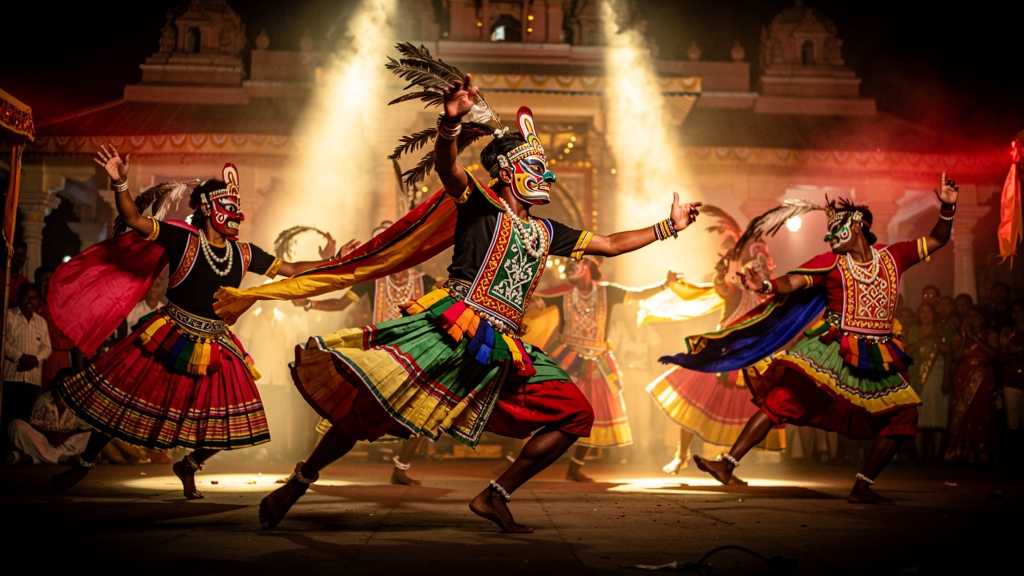
The maskless counterpart of Seraikella and Purulia Chhau — all expression, footwork and martial grace. Training centres in Baripada still hand it on to new generations.
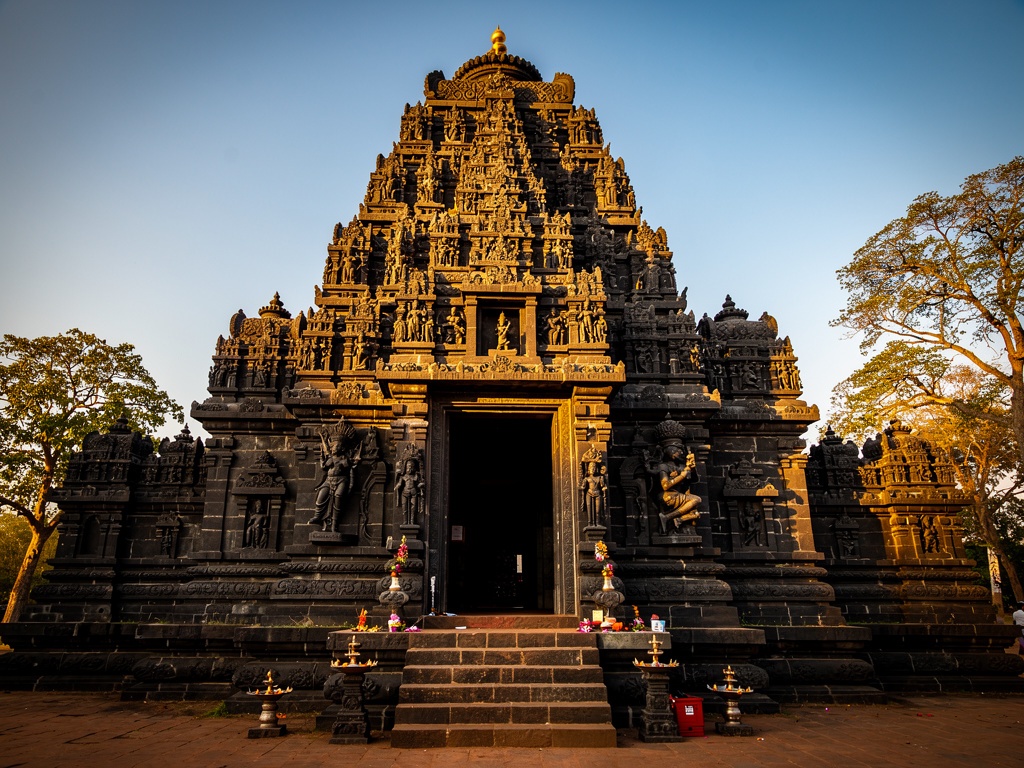
A 9th-century Bhanja royal temple built in rare black chlorite stone. Quiet, photogenic and rarely crowded — Mayurbhanj’s answer to Konark.
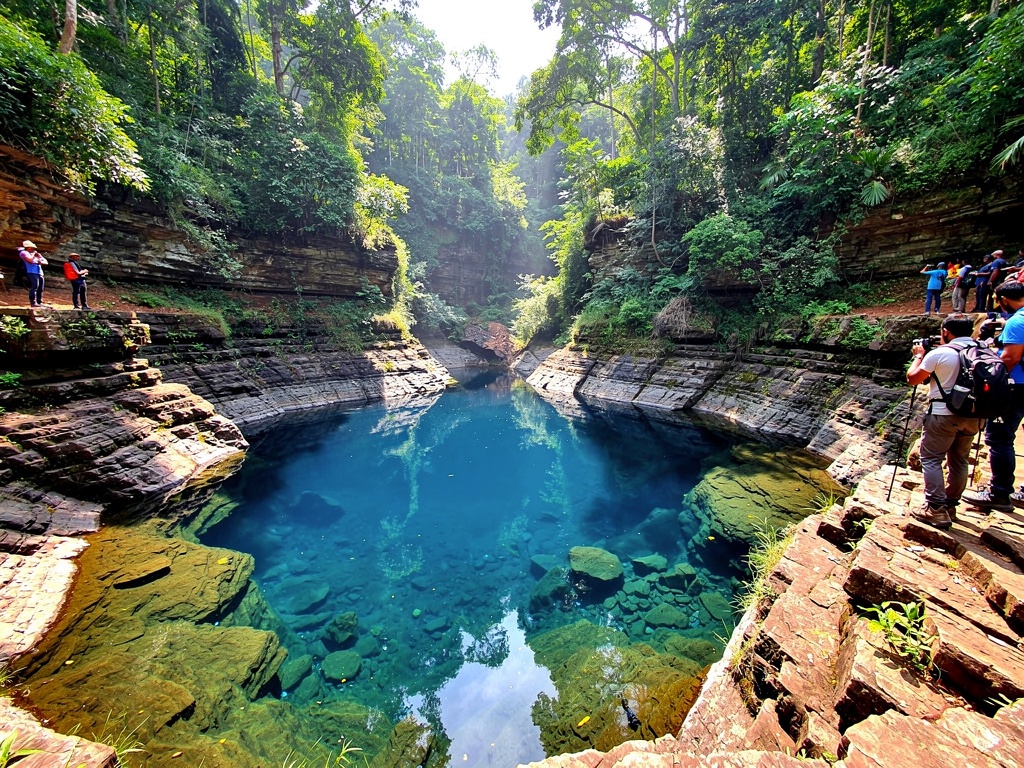
Two sacred natural plunge pools linked to the Pandavas and Sita’s exile. Offbeat day hikes, picnic-perfect grass banks, almost zero crowd.
Mayurbhanj sits in the northern corner of Odisha — 4 to 5 hours by road from Bhubaneswar and the international airport. Baripada, the district capital, is on the Howrah-Mumbai main line. Combine Similipal with a Puri-Konark coastal extension for a complete Odisha trip.
Our most recommended first-timer plan. Wildlife, waterfalls, mythology and a cultural Baripada evening, with a heritage Khiching day trip.
Bhubaneswar → Baripada (4 hrs). Permits at Pithabata. Drive to Barehipani Nature Camp. Evenings are short, misty, full of cicada song.
Pre-dawn jeep safari (Chahala range). Trek to Barehipani Falls (399 m). Optional Joranda despite tired legs.
Drive to Khiching — Kichakeswari Temple, terracotta artisans. Return to Baripada for a Chhau performance and Mudhi Mansa dinner.
Pick number of days, theme and travel month — we sketch a starting plan.
Three iconic scenes to remember — a roaring tiger, a tribal dancer mid-leap, and a sanctuary waterfall in full flow.
November to mid-June is generally open. The post-monsoon window of October–February is ideal for waterfalls, safaris and pleasant weather. Similipal core zones are typically closed during heavy monsoon (July to September).
Permits are issued at the Pithabata and Jashipur forest offices, sometimes online via the Similipal Tiger Reserve portal. Carry photo ID and vehicle registration. A forest guide is mandatory for most zones.
Bhubaneswar (BBI airport) to Baripada is a 4–5 hour drive via NH16/NH49. Alternatively, take a train to Baripada (NMBR) from Bhubaneswar or Howrah. Inside the district, hired jeeps are the practical option — regular cars struggle on forest roads.
In general, yes. Baripada is a mid-sized town; Similipal’s nature camps are run by forest staff. Use licensed guides and registered vehicles, share your itinerary, and follow standard precautions — especially after dark inside the forest.
Forest department-run nature camps at Barehipani, Jamuani and Chahala are formal options. In Baripada you’ll find mid-range hotels. Outside these, expect basic homestays and OTDC panthanivas. Always book early for peak season (December & January).
Seasonal road & camp updates, monsoon closing dates & the Baripada Rath Yatra calendar. Two emails a year, no spam.